The developers of Reflections at Keppel Bay, the project designed by Daniel Libeskind on the Singapore waterfront, are among the local real estate companies offering to pay at least part of a stamp duty recently imposed on their foreign customers.
“Developers who are willing to partially absorb the duty will be able to continue sales,” said Albert Foo, general manager of marketing for Keppel Land, developer of the Reflections project.
The stamp duty is one of several measures enacted by the Singapore government to curb sales to international investors amid concerns that homes in Singapore are becoming too expensive for residents.
Government leaders “clearly are saying as a policy we need to keep control of escalation in prices,” said Chris Fossick, managing director in Singapore and Southeast Asia for Jones Lang LaSalle, the property company.
The international sales market already had muted as a result of the global economic situation, Mr. Fossick said, adding, “The introduction of additional taxes only adds to that quietness.”
Home values in Singapore fell in the first quarter of 2012 for the first time in three years, according to government data. And prices in the higher end of the market fell 0.9 percent from the previous quarter.
Given the number of properties on the market, prices of private residences are expected to slide through the end of the year, according to Nicholas Holt, Knight Frank’s research director for Asia-Pacific. The government measures will “push money elsewhere,” Mr. Holt said.
While the declines in some sectors have been slight, they still are in sharp contrast to results in recent years, when Singapore posted some of the largest price gains in the world.
Despite the global slowdown, prices in Singapore rose 50.5 per cent from the fourth quarter of 2006 to the same period of 2011, an increase bested only by those in mainland China, Hong Kong and Israel, according to Knight Frank. In 2007 alone, the increase in the city-state was 33 per cent.
Foreign buyers, who viewed Singapore as a relatively open, fast-growing market in comparison with some other Asian cities, played a large role in the sales activity – even though by law their purchases are limited to apartments and land in only a few developments.
The percentage of international buyers in the overall market increased to 17 per cent in 2011 from 11 percent in 2005, according to DTZ, the property consultancy.
Reflections at Keppel Bay, the first major residential project in Asia designed by Mr Libeskind, was one of several high-profile projects announced in Asia between 2006 and 2008 in the hope of catching the eye of international buyers. One of those, Opus Hong Kong, the first residential project in Asia by the architect Frank Gehry, opened this year in Hong Kong.
The Keppel Bay project features six curved glass towers that were designed to appear as if they sway in the breeze. Each of the buildings, which range from 24 to 41 stories, is capped by a rooftop garden, and several are connected by elevated sky bridges.
Since the project went on sale in 2007, Keppel Land sold 845 of the 950 available apartments, with 30 percent going to international buyers, primarily from Australia, Indonesia, South Korea and China, Mr. Foo said.
Keppel Land recently announced plans to start the next phase of the project, which includes 367 homes, as developers are hoping that an increase in Chinese buyers will help offset the sales decline. “We have seen a strong surge from mainland China,” Mr. Foo said, adding that they believe interest will continue to grow.
Some analysts say they believe the current slowdown in international sales is temporary. “There is still latent demand” for property, said Chua Yang Liang, head of research in Southeast Asia for Jones Lang LaSalle, and some projects, especially those aimed toward local residents, continued to report activity.
The developers of Watertown@Punggol, a waterfront development with 11 residential towers and a shopping mall, recently announced the sale of 580 of the 828 available units, with prices per square foot ranging from 980 Singapore dollars to 1,500 dollars, or $773 to $1,183.
Ninety per cent of the buyers were Singapore residents, according to the Far East Organization, one of the project’s backers.
Although international sales have slowed, the domestic market continues to grow, analysts say.
The number of millionaire households in Singapore jumped 33 per cent from 2009 to 2011, the largest increase in the world, according to a 2011 study by the Boston Consulting Group. And more than 15 per cent of Singapore households were headed by millionaires, the highest concentration in the world, the study found.
Source : Today – 2012 Jul 7



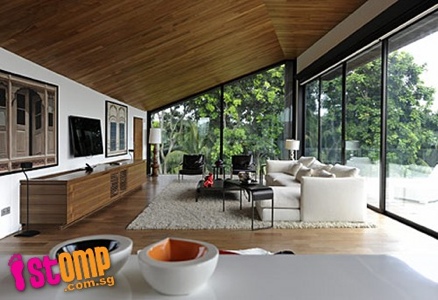

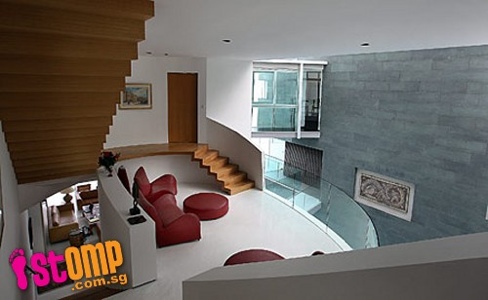
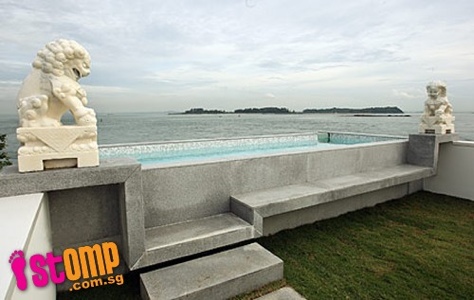
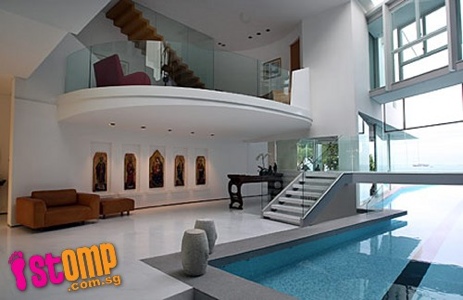

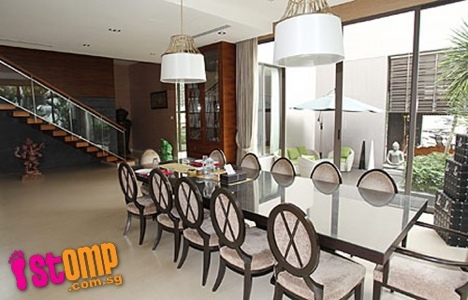
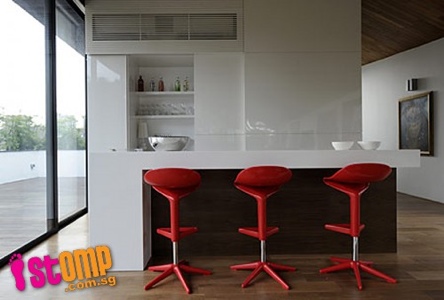
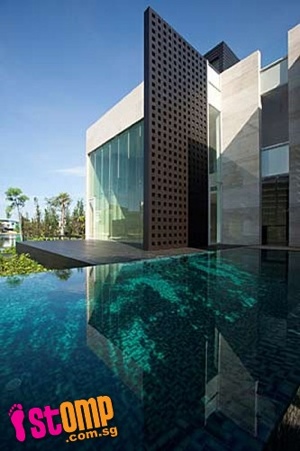

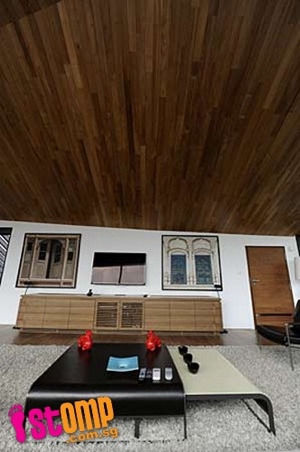
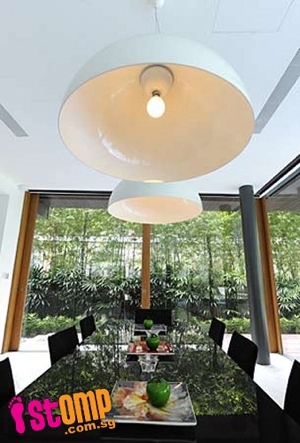
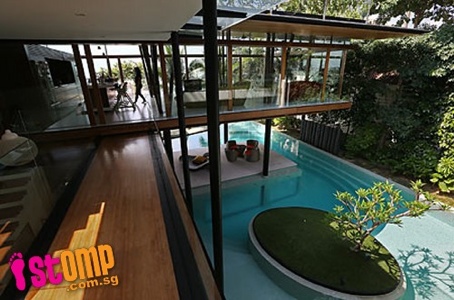


 Lush Dream Home